
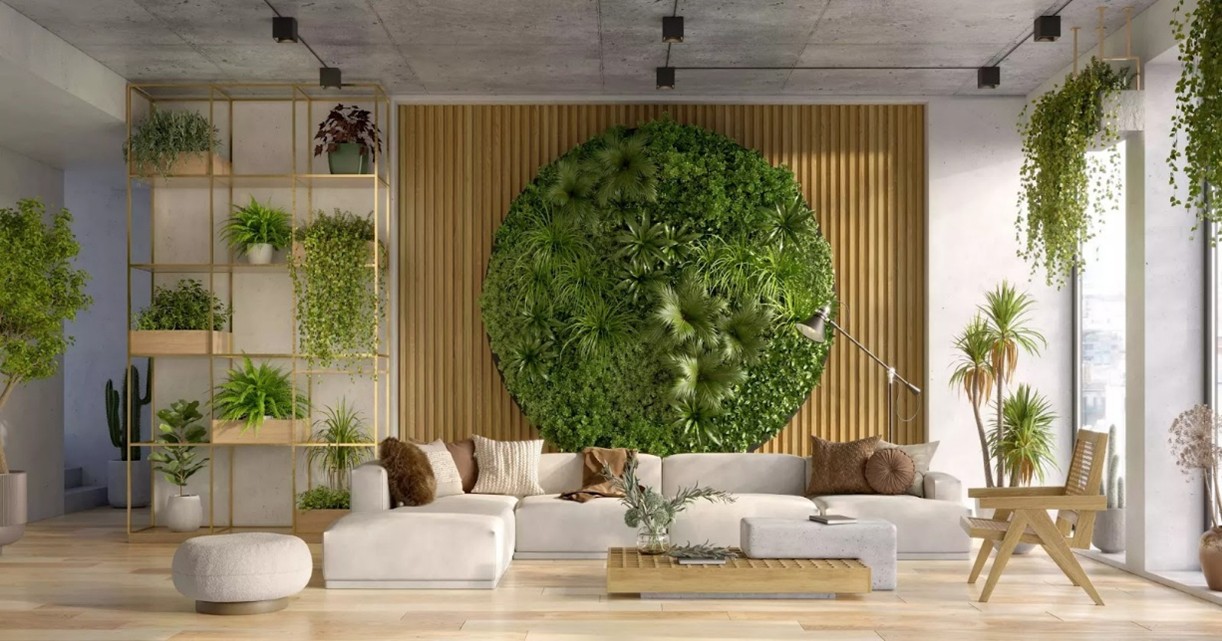

Biophilic design—a concept rooted in our innate connection to nature—is transforming the architectural landscape. As urbanization rises and people spend more time indoors, integrating natural elements into built environments has never been more vital. Biophilic architecture not only enhances aesthetics but also significantly improves physical and mental well-being.
What Is Biophilic Design?
Biophilic design incorporates natural materials, daylight, vegetation, views of nature, and other organic elements into architecture. It aims to recreate the feeling of being in a natural environment, even when indoors. This approach has been shown to lower stress, increase productivity, and foster creativity.
Key Principles of Biophilic Design
- Direct Connection to Nature: Includes visible greenery, indoor gardens, green walls, water features, and outdoor access.
- Indirect Nature References: Design that mimics natural patterns, colors, textures, and organic shapes. This includes materials like wood and stone and patterns resembling foliage or water.
- Spatial Experience: Designs that replicate the mystery and complexity of natural environments—like meandering paths, layered views, or varying ceiling heights—create a sense of exploration and engagement.
Emerging Biophilic Trends
- Living Walls and Vertical Gardens: These are not just visually stunning but improve air quality and reduce stress.
- Natural Ventilation: Integrating operable windows and open-air corridors connects occupants to fresh air and natural sounds.
- Timber Architecture: The use of cross-laminated timber (CLT) and other natural woods introduces warmth and tactile comfort.
- Biomorphic Forms: Architects are moving away from rigid geometries in favor of curves and flowing forms found in nature.
- Smart Green Integration: Combining biophilic design with smart technology to monitor light, humidity, and air quality for optimal wellness.
Benefits of Biophilic Design
- Enhanced Creativity and Productivity
- Reduced Stress and Anxiety
- Improved Focus and Attention
- Better Air Quality
- Greater Satisfaction with Indoor Environments
SCAD Engineering’s Approach to Biophilic Design
At SCAD Engineering, we believe the future of architecture lies in reconnecting people with nature. Our design philosophy blends sustainability with sensory wellness, ensuring each project includes natural touchpoints that inspire and heal.
If you’re ready to bring nature back into your built environment, SCAD Engineering is your partner in innovative, biophilic design. Reach out today to start your nature-inspired project.