
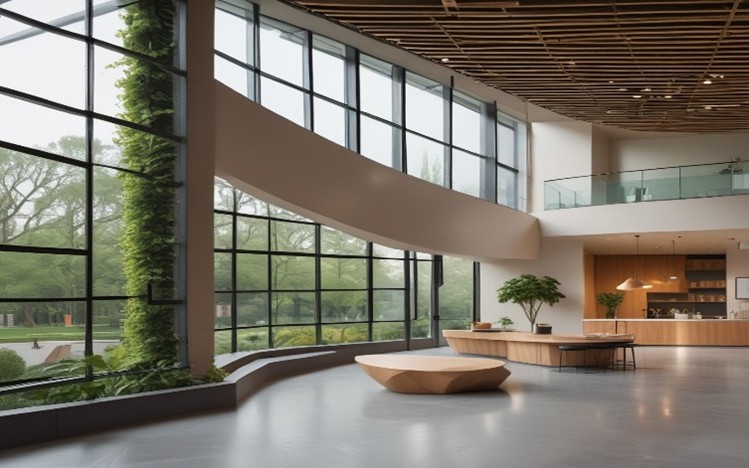
Modern architecture is increasingly focusing on human well-being, recognizing that the spaces we inhabit daily—homes, offices, schools—profoundly influence our mental health. From lighting and color palettes to spatial arrangements and material choices, every architectural element plays a role in how we feel, think, and behave. This blog explores the crucial link between architecture and mental health, outlining how thoughtful design can be a powerful tool for emotional and psychological well-being.
The Rise of Human-Centered Design
For decades, architecture emphasized form and function. However, the growing awareness of mental health challenges worldwide has led to a new approach: designing for wellness. This paradigm centers on creating spaces that reduce stress, enhance mood, and foster social connection. Studies from environmental psychology and neuroscience support the idea that our surroundings significantly impact our mental state.
Key Architectural Elements Influencing Mental Health
- Natural Light: Exposure to natural light helps regulate our circadian rhythm, improving sleep quality and reducing symptoms of depression and anxiety.
- Spatial Flow and Layout: Overcrowded, cramped spaces can elevate stress levels. Open-plan layouts and intuitive wayfinding promote comfort, ease, and mental clarity.
- Color Psychology: Colors evoke emotional responses. Soft blues and greens induce calmness, while warmer tones can energize or stimulate creativity. Choosing the right palette for different functions within a space is crucial.
- Noise Management: Acoustic discomfort is a common stressor. Sound-absorbing materials, noise-reducing layouts, and careful zoning help create peaceful environments. Condé Nast Traveler+4University College of Estate Management+4Times Union+4
- Access to Nature: Whether through views, indoor plants, or garden access, nature-connected design—also known as biophilic design—has been shown to reduce stress and enhance cognitive performance.
Design for Different Demographics
- Homes: Residences should offer privacy, comfort, and zones for relaxation. Proper ventilation, natural light, and ergonomic spaces contribute to emotional well-being.
- Workspaces: Offices should promote focus while avoiding mental fatigue. Flexible work areas, breakout zones, and natural elements can enhance productivity and mental resilience.
- Educational Spaces: Schools benefit from ample natural light, bright and cheerful color schemes, and noise control. Design should encourage interaction and reduce stress among students.
- Healthcare Settings: Hospitals and clinics with calming layouts, gentle lighting, and nature views can accelerate recovery and reduce patient anxiety.
The Role of Community and Social Connection
Architecture can encourage social interaction, a key contributor to mental well-being. Open courtyards, communal areas, and shared amenities foster a sense of community, combating loneliness and isolation.
SCAD Engineering’s Commitment to Wellness-Focused Design
At SCAD Engineering, we understand that the built environment directly affects how people feel and function. Our team integrates wellness principles into every project, creating spaces that nourish the mind as much as the body. We work closely with wellness consultants, architects, and clients to ensure each design serves the well-being of its occupants.
Let SCAD Engineering help you build spaces that enhance not just physical living, but mental thriving. Contact us today to learn how we bring wellness-focused design to life.